

More than half of online visitors never turn into customers, even after spending money on ads or content. This happens because many businesses do not use a clear Marketing Funnel to guide people. Visitors come to a website, see many options, feel confused, and leave without taking action. This creates wasted traffic and lost sales.
At Phoenix Dial, our expert team helps solve this problem by building clear and simple funnels that guide users step by step, from first visit to final action. In this post, we will explain how a marketing funnel works, why it matters, and how it helps turn visitors into real customers in a simple and practical way.
Evolution of the Marketing Funnel
At the end of the 20th century, marketers began to study how people move from interest to purchase. One early expert, Elias St. Elmo Lewis, introduced a simple model that explained this journey. This model helped businesses understand what is a marketing funnel in a clear way.
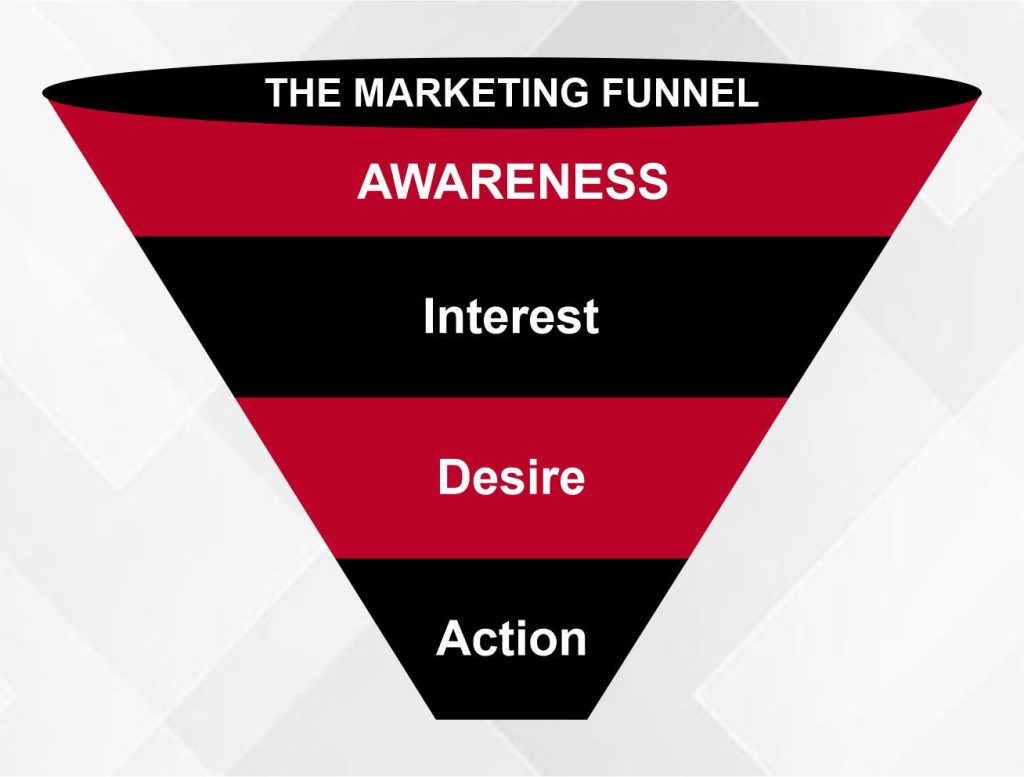
The model was called AIDA. It showed that every buyer passes through clear steps before taking action. These steps later became the base of modern marketing funnels.
- Awareness
- Interest
- Desire
- Action
What Is a Marketing Funnel
A marketing funnel is a simple way to explain how a person becomes a customer over time. It shows the clear steps a person follows, starting from learning about a business to taking final action. This process helps businesses understand customer behavior and guide people in a smooth and organized way without confusion.
The idea behind the marketing funnel has remained mostly unchanged since the early 1900s. Even today, businesses do not follow one fixed model. Each company adapts the funnel based on its goals and audience needs.
Many businesses prefer a simple structure. They divide the funnel into three main parts. These parts are known as the top, middle, and bottom of the funnel. This approach helps teams focus on awareness first, then interest, and finally action. It makes the funnel in marketing easier to understand and manage for beginners and growing businesses.
Marketing Funnel Stages
The marketing funnel stages explain the path a person follows before becoming a customer. Each stage has a clear purpose. It helps businesses guide users step by step without pressure. Understanding these stages makes funnel marketing more effective and organized.
Awareness Stage
This is the first step of the funnel. At this stage, people realize they have a problem or a need. They start looking for answers online or offline. For example, a business owner may notice low website traffic and begin searching for marketing help. The goal here is to get attention and be visible.
Interest Stage
In this stage, people show interest in possible solutions. They read blogs, watch videos, or follow brands. They want to learn more before making any decision. This stage helps explain how the funnel in marketing builds trust by sharing useful and clear information.
Desire Stage
Here, people begin to prefer one option over others. They compare services, read reviews, and look at results. This stage shows how marketing funnels help shape positive feelings toward a brand. The focus is on showing value and solving problems clearly.
Action Stage
This is the final stage. The person decides to take action. They may fill out a form, call a business, or make a purchase. A clear funnel marketing strategy makes this step easy and smooth for the user.
Benefits of a Marketing Funnel
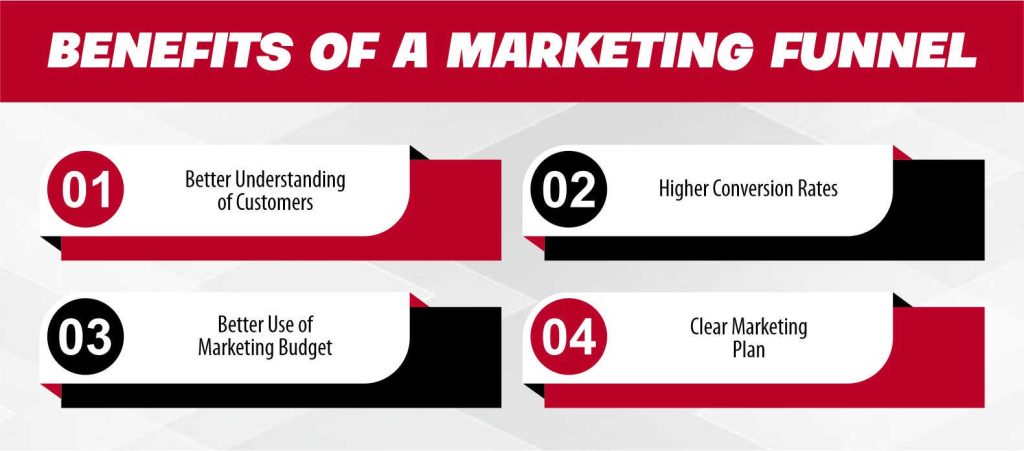
A marketing funnel helps businesses understand and manage the customer journey in a clear way. It shows what works and what needs improvement at each step. This makes marketing efforts more focused and effective.
Better Understanding of Customers
A funnel helps track how people behave at different stages. It shows what users like, where they stop, and what motivates them. This helps businesses create messages that match real customer needs.
Higher Conversion Rates
Marketing funnels guide users step by step. This reduces confusion and builds trust over time. When users know what to do next, they are more likely to take action.
Better Use of Marketing Budget
A funnel shows which stage needs more attention. This helps avoid wasting money on the wrong audience. Businesses can spend more on strategies that bring real results.
Clear Marketing Plan
The funnel creates a clear path for marketing efforts. Each stage has a goal and purpose. This makes planning easier and keeps the marketing strategy organized and consistent.
Strategies for Each Stage of the Marketing Funnel
A clear marketing funnel needs the right actions at the right time. Each stage requires a different approach. These strategies help guide people forward without pressure and improve results.
Awareness Strategies
The goal here is to get noticed. Focus on sharing helpful and easy content. Use blog posts, social media updates, and simple videos. These help people learn about a problem and see your brand as a solution.
Interest Strategies
At this stage, people want more details. Share guides, tips, and email content that explain your services. Answer common questions and offer value. This helps keep users engaged and builds trust.
Desire Strategies
Here, people compare options. Show real results, reviews, and success stories. Explain how your service solves problems better. This step strengthens interest and moves users closer to a decision.
Action Strategies
The final step is to make action easy. Use clear calls to action. Offer simple forms, contact options, or special offers. A smooth funnel in marketing helps turn interest into real leads or sales.
Types of Funnel-Based Marketing
Funnel-based marketing focuses on guiding people through clear steps. Each type of funnel marketing serves a different purpose. Businesses can choose one or combine them based on their goals.
Top of Funnel
This funnel focuses on awareness. The goal is to reach new people and get attention. Content like blogs, social posts, and videos work well here. It helps users learn about a problem and discover a brand.
Middle of Funnel
This stage builds interest and trust. People want more details and clear answers. Businesses use emails, guides, and case studies at this level. This part of the funnel in marketing helps users compare options.
Bottom of Funnel
The bottom focuses on action. People are ready to decide. Offers, demos, and clear calls to action work best here. This stage helps turn leads into customers.
Full-Funnel
A full-funnel approach covers every stage. It guides users from awareness to action in one smooth journey. This method helps create a strong funnel marketing strategy that supports long-term growth.
Conclusion
A marketing funnel helps businesses guide people from first contact to final action in a clear way. It removes confusion and creates a smooth customer journey. When each stage works well, marketing becomes more focused and results improve.
If you want expert help building or improving your funnel, Phoenix Dial is here for you. We are a service-based digital marketing company with a skilled team that understands real business needs. We create simple, effective funnel strategies that turn visitors into leads and customers. Visit Phoenix Dial today and take the next step toward smarter marketing growth.
FAQ’s
What are the 4 marketing funnels?
The four main marketing funnels are lead generation funnel, sales funnel, email marketing funnel, and content marketing funnel. Each funnel guides users differently depending on the goal, like capturing leads or driving sales.
What are the five stages of the marketing funnel?
The five stages are Awareness, Interest, Desire, Action, and Retention. They represent the journey a person takes from first learning about a brand to becoming a loyal customer.
Why is the marketing funnel dead?
Some say the traditional funnel is “dead” because modern customers have more choices and move in non-linear ways. Businesses now focus on continuous engagement and personalized journeys instead of a strict top-to-bottom path.
What are the 7 types of digital marketing?
The seven common types are search engine optimization (SEO), pay-per-click (PPC) advertising, social media marketing, email marketing, content marketing, affiliate marketing, and influencer marketing. Each type helps reach and engage audiences online.